Plastics companies in 2026 are driven by intensifying regulatory forces, volatile virgin plastics costs, and firm Environmental, Social, and Governance (ESG) commitments. Certifications such as Eco Vadis exist to enable typically carbon-heavy companies to reform their processes. Additionally, manufacturers are steadily integrating high-performance recycled compounds into their product lines.
The success of this transition toward greener, sustainable operations depends on material consistency, engineering expertise, and reliable supply chains. Navigating the shift from virgin materials to sustainable alternatives requires in-depth knowledge of polymer science and collaboration with a specialist compounder.
Before diving in, it’s helpful to understand how each part of the process connects. In the following sections, this guide discusses the technical fundamentals, commercial benefits, and industry applications of recycled plastics and explains how Polymer Compounders Limited helps manufacturers achieve their sustainable targets without impairing product performance.
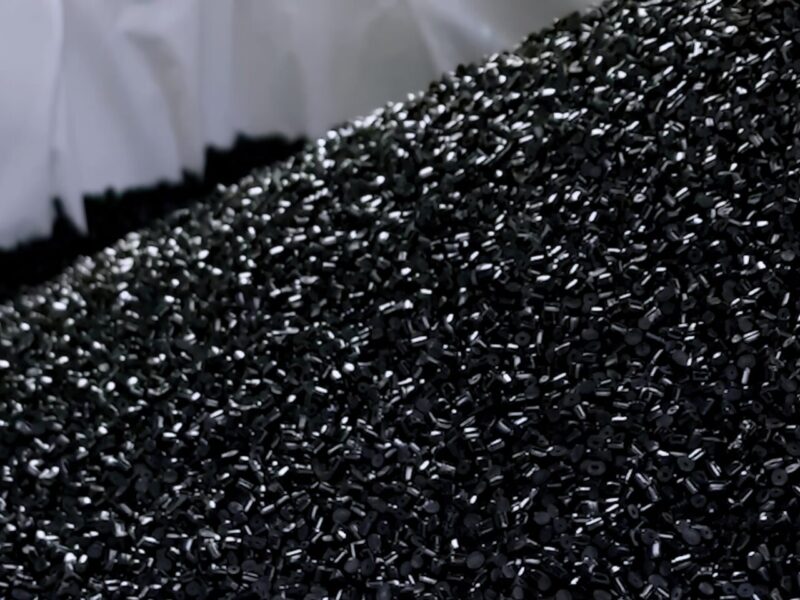
Recycled polymers are plastics that have been collected and processed into new materials. They are used in injection moulding, extrusion, and similar applications.
When sourcing recycled plastic compounds, manufacturers typically choose between two primary feedstock categories:

PCR plastics are derived from consumer waste, such as bottles, electronics, and household goods.

PIR plastics are recovered from manufacturing waste like scrap, offcuts, and reject parts.
Advanced compounding allows many polymers to be recycled for demanding uses.
A common misconception is that recycled plastics inherently possess lower quality or inconsistency. While unprocessed recycled flake can be unpredictable, custom polymer compounding can transform it.
Compounding transforms recycled material. Through additives, blending, and testing, compounders restore essential properties.
At Polymer Compounders Limited, the compounding process can deliver specific performance upgrades to recycled materials, such as:
Compounded recycled plastics create measurable business value by enhancing your market competitiveness, ensuring regulatory compliance, and enabling both cost reductions and environmental improvements.
By using recycled polymers, manufacturers can achieve meaningful reductions in Scope 3 emissions. For many base polymers, this results in a substantial decrease in carbon footprint, making recycled plastics a credible option for reaching sustainability goals and improving overall environmental impact.
Virgin polymer pricing is unpredictable, influenced by global oil prices and supply chain disruptions. With recycled compounds, manufacturers gain cost predictability and greater control over supply, directly supporting strategic planning and reducing business risk.
Governments are actively enforcing recycled material usage, fundamentally changing the economics of plastic manufacturing:
Different sectors demand highly specific material properties. Customised recycled compounds are built to meet these exact needs throughout multiple industries:

A major OEM recently presented Polymer Compounders Limited with a critical challenge: all supplied PC/ABS material must contain 30% post-consumer recycled (PCR) content.
Initially, this requirement appeared straightforward. However, a deeper examination revealed significant complexity.
The primary obstacle was sourcing suitable PCR feedstock. While post-consumer recycled materials offer strong sustainability credentials, their origins can vary widely, creating challenges with consistency, purity, and performance.
For engineering-grade materials such as PC/ABS, this variability becomes even more critical.
Unlike virgin materials, PCR feedstocks can:
This project demanded not only sustainability but engineering-grade reliability.
Although we cannot disclose the OEM involved, this application was safety-critical. The compounded material had to undergo crash testing to ensure it met stringent performance standards.
This significantly raised the bar for material consistency and quality control.
Moving from 100% prime PC/ABS to 30% PCR content required:
One of the most common challenges in mixed-origin PCR materials is wax contamination.
Certain recycled streams may contain waxes added during previous manufacturing processes. While often harmless in lower-performance plastics, wax contamination can negatively affect PC/ABS by:
Ensuring that each batch of PCR feedstock was free from wax and other unsuitable materials became a time-intensive but essential process.
Despite substantial challenges, this project demonstrates the possibilities when sustainability objectives are supported by engineering expertise and rigorous compounding processes.
It serves as a powerful example of the industry’s evolving landscape:
Transitioning away from 100% prime PC/ABS is not always simple — but with the right expertise and supply chain control, it is achievable.
At Polymer Compounders Limited, we work closely with customers to balance sustainability objectives with performance requirements, ensuring that recycled content enhances, rather than compromises, your final product.
If you’re considering incorporating PCR materials into your next project, we’re confident we can help guide you through the process.
Achieving your sustainability targets without sacrificing product quality requires a polymer supplier that understands the finer points of materials science. Polymer Compounders Limited is perfectly positioned to be that key partner.
We deliver value to our manufacturing partners through three core pillars:






For all enquiries, please contact the team at our Durham office using the contact form below.
Alternatively you can call us on +44 (0) 191 378 3737, 9am-5pm (Mon-Fri).
"*" indicates required fields